Make a Referral
Miracle Recovery: Patric Defies Odds After Car Crash and Foot Drop Injury
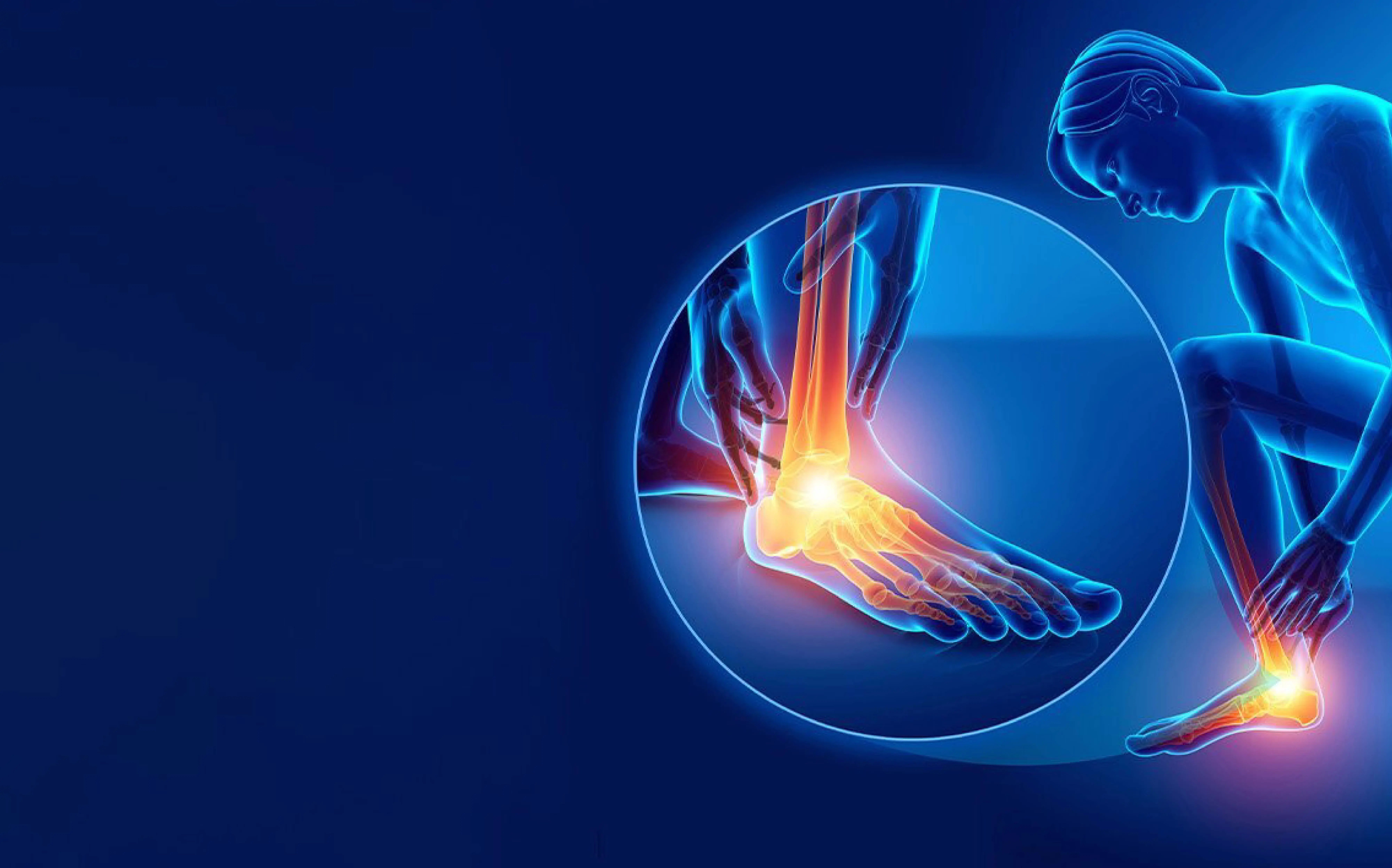
Foot Drop Treatment in Florida: Regain Control, Stability, and Confidence in Every Step
Everyday movements like walking along the beach, navigating stairs, or simply moving without fear, can become overwhelming with foot drop. Our Florida-based nerve specialists identify and treat the underlying cause of foot drop, helping patients restore movement, stability, and independence.
What Causes Foot Drop?
Foot drop is not a condition, it is often a symptom of an underlying issue, most often involving nerve damage. When the nerves responsible for lifting the front of your foot are compressed, injured, or not functioning properly, the result is difficulty walking and controlling your foot.
In many cases, foot drop is linked to dysfunction of the peroneal nerve, which plays a critical role in foot movement. When this nerve is compromised, the muscles responsible for lifting the foot can weaken or stop working entirely.
Our team at The Institute goes beyond surface-level diagnosis. Using advanced imaging and specialized testing, we work with you to identify the exact source of dysfunction.
See If You Qualify For Treatment


What Are the Benefits of Foot Drop Surgery?

Improved balance and stability while walking

Increased independence in daily activities

Reduced risk of trips and falls

Restoration of natural walking mechanics

Relief from nerve-related discomfort

Renewed confidence and quality of life
Am I a Candidate for Foot Drop Surgery?
You may be a strong candidate if you:
-
Have persistent foot drop despite braces or therapy
-
Have been diagnosed with nerve injury or compression
-
Experience worsening weakness or mobility limitations
-
Have foot drop following surgery, trauma, or neurological conditions
-
Have been told your condition is “untreatable” or unclear
A comprehensive evaluation at The Institute can determine whether nerve reconstruction is right for you.

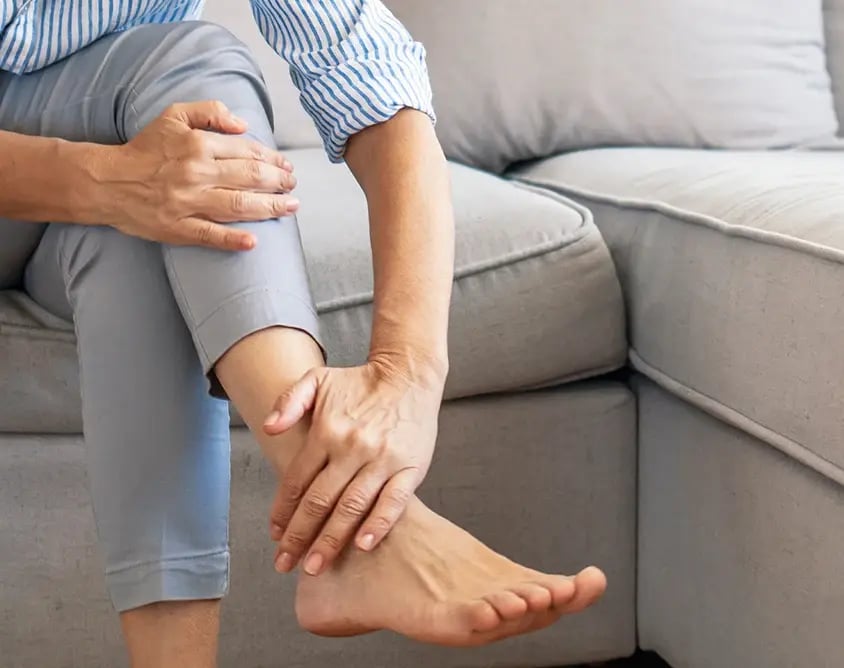
Understanding the Root Causes of Foot Drop
Foot drop can develop from a range of underlying conditions, including:
-
Bone growths or tumors: Can compress nerves in the spine or knee
-
Muscle disorders: Including muscular dystrophy or inherited conditions
-
Neurological disorders: Such as ALS, stroke, or multiple sclerosis
-
Nerve injury: Especially involving the peroneal nerve
-
Traumatic injury: Damage to nerves, muscles, or tendons
Identifying the exact cause is critical, and often where other providers fall short.
Why Trust The Institute of Florida?

Advanced Diagnostic Precision
We use specialized imaging and nerve testing, including EMG, to accurately identify the source of your foot drop. This precision ensures your treatment plan targets the root cause, not just the symptoms.
National Leaders in Nerve Surgery
The Institute for Advanced Reconstruction is a recognized leader in advanced nerve procedures, including decompression, grafting, and nerve transfers. Our surgeons perform highly specialized techniques designed to restore movement and function when other treatments have failed.
Multidisciplinary Care Approach
Your care is supported by a team of specialists who collaborate to evaluate, treat, and guide your recovery from every angle. This coordinated approach ensures nothing is overlooked and your treatment plan evolves with your progress.
Personalized, Evolving Treatment Plans
Every treatment plan is tailored to your specific condition, goals, and recovery timeline. As you heal, we continuously refine your care to maximize functional outcomes and long-term success.


.webp)